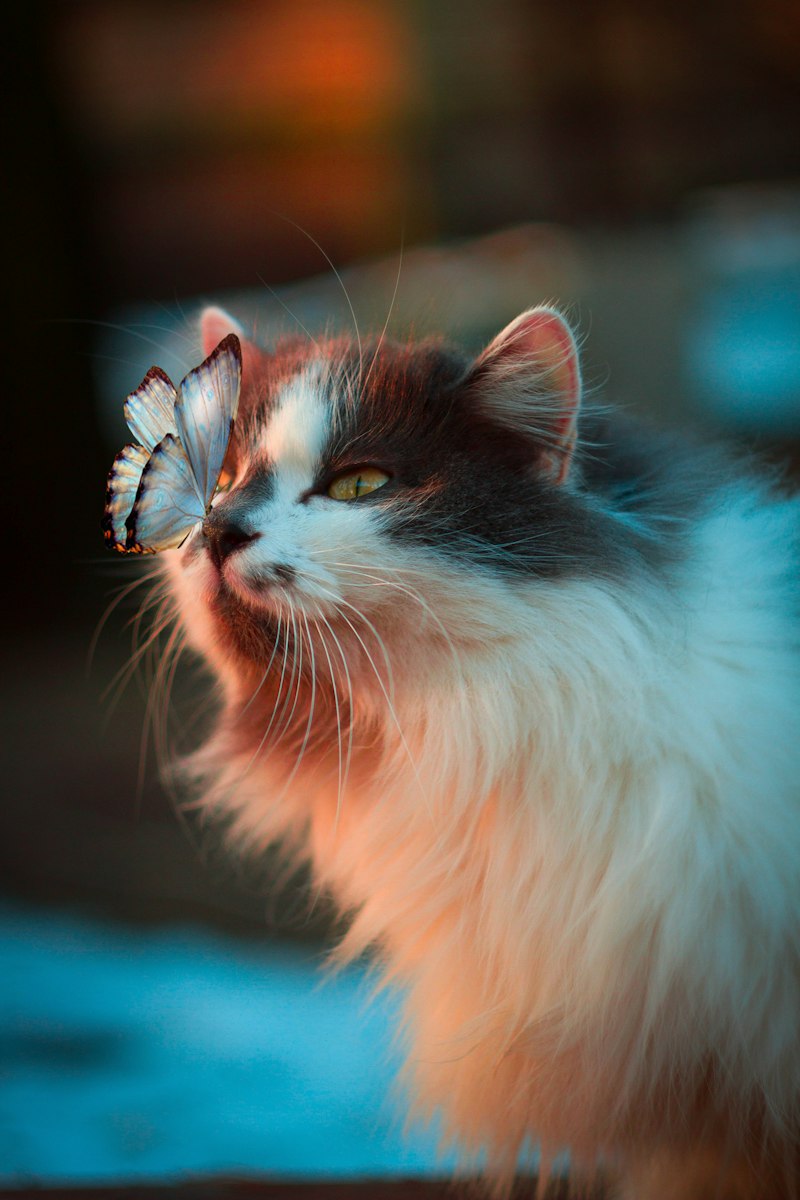
Winter Care Tips for Dogs and Cats
# Winter Care Tips for Dogs and Cats
Winter creates unique challenges for pets. Cold temperatures, ice, snow, and holiday hazards all require attention. Proper preparation keeps pets safe and comfortable through even harsh winters.
Temperature Tolerance Varies
Different pets handle cold differently. Double-coated breeds like Huskies, Malamutes, and Great Pyrenees thrive in cold. Short-coated breeds, small dogs, seniors, puppies, and thin dogs feel cold much more acutely.
Cats generally tolerate cold better than short-coated dogs, but individual variation exists. Indoor-only cats especially struggle with sudden temperature drops. Feral or outdoor cats develop denser coats but still need shelter.
Watch for signs of cold discomfort — shivering, lifting paws off cold ground, reluctance to walk, or seeking warmth. These signs mean it's time to go inside or add protection.
Winter Clothing Basics
Not all dogs need clothing, but many benefit. Sweaters and coats help small breeds, seniors, and thin-coated dogs stay warm. Waterproof coats keep pets dry during wet snow or rain.
Booties protect paws from ice, snow, road salt, and chemical de-icers. Many dogs initially resist wearing them but adapt with training. Positive reinforcement helps them accept booties as normal.
Choose properly-fitted gear. Too-loose clothing traps cold air; too-tight restricts movement. Booties should fit snugly without cutting off circulation.
Paw Care in Winter
Winter conditions damage paws. Ice and snow between toes cause discomfort. Rock salt and chemical de-icers burn paw pads and are toxic if licked. Cracked, dry pads develop from cold and dryness.
Wipe paws after outdoor time to remove salt, chemicals, and moisture. Consider paw balms or waxes that protect pads. Some products create protective barriers against cold and chemicals.
Trim fur between paw pads to prevent ice buildup. Long fur collects snow that melts, refreezes, and irritates skin. Some dogs need weekly trimming during winter.
Safe Winter Walks
Walk during warmer parts of the day when possible. Midday sun provides some warmth compared to early morning or evening walks. Adjust walk duration based on temperature.
Avoid frozen bodies of water. Even seemingly solid ice can crack under a pet's weight. Underwater currents and low temperatures make falls potentially fatal.
Keep dogs on leashes. Snow can cover familiar scents and landmarks, causing disorientation. Cars slide on ice, making off-leash walking near roads dangerous.
Antifreeze Warning
Antifreeze contains ethylene glycol, tastes sweet, and is extremely toxic. Even tiny amounts kill pets. Winter increases antifreeze exposure through spills, leaks, and residues on driveways.
Clean up all antifreeze spills immediately. Store containers securely. Watch for pets licking puddles or wet spots in garages and driveways. Symptoms of poisoning progress quickly and require immediate emergency care.
Indoor Winter Considerations
Indoor pets face different winter challenges. Dry heat from furnaces dries out skin and coats. Static electricity affects long-haired pets. Reduced daylight influences some pets' moods.
Humidifiers help combat dry indoor air. Regular grooming distributes natural oils, improving skin health. Some pets benefit from omega-3 supplements for coat quality.
Winter often reduces outdoor activity. Provide indoor enrichment through puzzle toys, indoor play, training sessions, and rotating toy selections. Bored pets develop behavioral problems.
Outdoor Cats and Community Cats
Outdoor and community cats need extra winter support. Insulated shelters provide crucial protection. Straw insulates better than blankets, which absorb moisture and freeze.
Check car engines before starting during winter. Cats seek warmth in engine compartments and can be seriously injured. Bang on hood or honk before starting cold cars to alert any hiding cats.
Provide warm water regularly for outdoor cats — water freezes quickly in winter. Heated water bowls prevent freezing and provide crucial hydration.
Holiday Hazards
Holiday decorations create pet dangers. Tinsel causes intestinal blockages if swallowed by cats. Christmas tree ornaments look like toys. Electrical cords tempt chewing.
Many holiday foods poison pets. Chocolate, grapes, xylitol-sweetened items, and rich foods all cause problems. Keep holiday treats away from pets and educate guests about pet dangers.
Poinsettias have mildly irritating sap but aren't as dangerous as often claimed. Amaryllis, mistletoe, and lilies are more serious concerns. Some Christmas tree waters contain preservatives that harm pets.
Winter Weight Management
Reduced outdoor activity often leads to winter weight gain. Adjust food portions if pets exercise less. Continue mental stimulation and indoor play to maintain fitness.
Some pets need more calories to stay warm outdoors. Working outdoor dogs and cats living outside require increased nutrition. Consult your vet about appropriate winter feeding for your specific pet.
Seasonal Blues
Reduced sunlight affects some pets similarly to humans. Winter blues manifest as decreased energy, reduced interest in activities, or altered sleep patterns.
Combat winter effects with regular exercise even indoors, playtime, and maintenance of normal routines. Light therapy helps some pets — consult your vet about safe options.
Emergency Preparedness
Winter storms bring power outages and emergencies. Include pet supplies in emergency kits: food, water, medications, blankets, and carriers. Have evacuation plans that accommodate pets.
Never leave pets in cars during winter. Vehicles become dangerously cold quickly, similar to how they heat up in summer. Even brief errands become dangerous.
Recognizing Emergencies
Hypothermia causes shivering, lethargy, weak pulse, and pale gums. Frostbite affects extremities — ears, tails, and paws — showing pale or bluish coloration. Both require immediate veterinary attention.
Warm affected pets gradually. Sudden warming causes shock. Wrap in blankets, offer warm (not hot) fluids if conscious, and transport to emergency vets immediately.
Making Winter Enjoyable
Winter doesn't mean pets can't enjoy outdoor time. Well-prepared pets often love snow and cold weather. Short but frequent outdoor excursions with proper gear provide enrichment.
Every pet's winter needs differ. Learn your individual pet's preferences and tolerance. With appropriate preparation, winter becomes just another season to enjoy with your beloved companions.