Pet Safety During Summer: Preventing Heatstroke and Other Dangers
# Pet Safety During Summer: Preventing Heatstroke and Other Dangers
Summer brings longer days and outdoor adventures, but it also introduces serious hazards for our pets. From scorching pavement to toxic algae blooms, the warm months present dangers that every pet owner should understand and prepare for. With awareness and proactive measures, you can keep your furry companions safe while still enjoying the season together.
Understanding Heatstroke in Pets
Heatstroke occurs when a pet's body temperature rises above the normal range and cannot cool down effectively. Dogs and cats cannot sweat like humans; they rely primarily on panting and limited sweating through paw pads to regulate temperature. Heatstroke can develop in minutes and is a life-threatening emergency. Brachycephalic breeds like Bulldogs, Pugs, and Persian cats are at heightened risk due to their compromised airways. Overweight pets, seniors, and those with heart or respiratory conditions are also especially vulnerable.
Recognizing Heatstroke Symptoms
Early recognition saves lives. Watch for excessive panting, drooling, bright red gums, lethargy, stumbling, or disorientation. As heatstroke progresses, you may see vomiting, diarrhea, collapse, or seizures. If you suspect heatstroke, move your pet to a cool area immediately. Apply cool, not cold, water to their body, focusing on the neck, armpits, and groin. Offer small amounts of water but do not force drinking. Seek emergency veterinary care immediately, as internal organ damage can occur even if external symptoms appear to improve.
The Dangers of Hot Cars
A car's interior temperature can rise 20 degrees in just ten minutes, even with windows cracked. On an 80-degree day, the inside of a parked car can reach 100 degrees within minutes and 120 degrees within thirty minutes. Leaving a pet in a parked car, even briefly, can be fatal. There is never a safe amount of time to leave an animal in a parked vehicle during warm weather. If you see a pet in distress in a hot car, contact authorities immediately.
Hot Pavement and Paw Burns
Asphalt and concrete absorb and radiate heat, reaching temperatures far above the air temperature. When the air is 85 degrees, asphalt can reach 135 degrees, hot enough to cause burns in under a minute. Test the pavement by pressing the back of your hand against it for seven seconds. If it is too hot for your hand, it is too hot for your pet's paws. Walk during early morning or evening hours, stick to grassy areas, or invest in protective booties for unavoidable midday walks.
Water Safety for Dogs
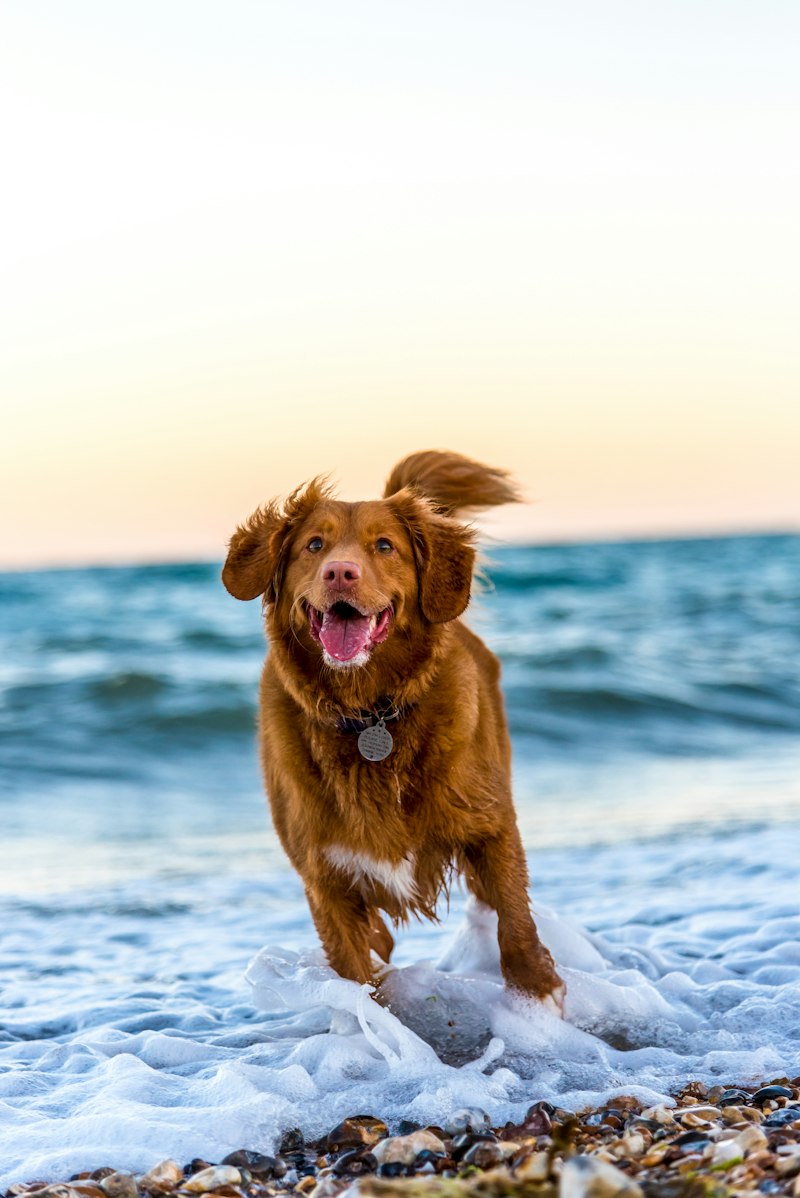
Not all dogs are natural swimmers, and even strong swimmers can get into trouble. Never assume your dog can swim without introduction and supervision. Pools present drowning risks if dogs fall in and cannot find the exit. Teach your dog where the steps are and how to exit safely. In natural water, watch for strong currents, underwater hazards, and blue-green algae, which produces toxins that can be fatal if ingested. Always provide fresh drinking water to prevent dogs from consuming potentially contaminated water sources.
Toxic Plants and Garden Hazards
Summer gardens contain numerous plants toxic to pets. Lilies are extremely dangerous to cats, with even small ingestions causing kidney failure. Sago palms, oleander, and azaleas are toxic to both dogs and cats. Fertilizers, pesticides, insecticides, and cocoa mulch all pose poisoning risks. Keep pets away from recently treated lawns and gardens. If you suspect plant ingestion, contact your veterinarian or the ASPCA Animal Poison Control Center immediately with the plant identification if possible.
Parasite Prevention
Summer increases exposure to fleas, ticks, mosquitoes, and other parasites. Fleas cause itching, allergic reactions, and can transmit tapeworms. Ticks carry serious diseases including Lyme disease, ehrlichiosis, and Rocky Mountain spotted fever. Mosquitoes transmit heartworm, a potentially fatal condition. Maintain year-round parasite prevention as recommended by your veterinarian, check your pet thoroughly after outdoor adventures, and keep your yard maintained to reduce pest habitats.
Firework and Storm Anxiety
Summer thunderstorms and holiday fireworks terrify many pets. The noise can cause panic, leading to escape attempts, injuries, or pets running away. More pets go missing around the Fourth of July than any other time of year. Create a safe, quiet space inside your home. Close windows and use white noise or calming music to buffer sounds. Consider anxiety wraps, pheromone diffusers, or veterinary-prescribed anti-anxiety medication for severely affected pets. Ensure identification tags and microchip information are current.
Outdoor Cookout Dangers
Backyard barbecues present multiple hazards. Cooked bones splinter and cause internal damage. Corn cobs are a common surgical emergency when swallowed by dogs. Onions, garlic, grapes, and xylitol-sweetened foods are all toxic. Alcohol is dangerous for pets even in small amounts. Skewers and food wrappers can cause obstructions. Keep trash secured and educate guests about not feeding your pets table scraps. Assign one person to pet supervision during outdoor gatherings.
Exercise Modifications
Adjust your pet's exercise routine during hot weather. Exercise during the cooler hours of early morning or evening. Reduce intensity and duration on particularly hot days. Carry water for both you and your pet on walks, and take frequent shade breaks. Watch for signs of overheating including excessive panting, slowing down, or seeking shade. Swimming is an excellent low-impact exercise alternative that keeps dogs cool while burning energy, provided water safety precautions are followed.
Summer should be enjoyable for the entire family, including four-legged members. By understanding seasonal hazards and taking proactive precautions, you can ensure your pets stay safe, healthy, and comfortable throughout the warmest months of the year.