Keeping Chickens as Pets: A Beginner Guide to Backyard Flocks
# Keeping Chickens as Pets: A Beginner Guide to Backyard Flocks
Backyard chickens have surged in popularity as people seek closer connections to their food sources and discover that chickens make surprisingly engaging, personable pets. These intelligent birds offer fresh eggs, natural pest control, and genuine companionship while requiring less space than many people assume. Whether you have a suburban backyard or a small rural property, keeping chickens can be a rewarding and sustainable hobby.
Checking Local Regulations
Before purchasing chicks or building a coop, research your local ordinances. Many municipalities allow backyard hens but prohibit roosters due to noise. Common restrictions include flock size limits, minimum lot sizes, required setbacks from property lines, and coop specifications. Some areas require permits or neighbor notification. Homeowner association rules may add additional restrictions. Ensuring compliance before investing saves you from the heartbreak of having to rehome your flock due to zoning violations.
Choosing Beginner-Friendly Breeds
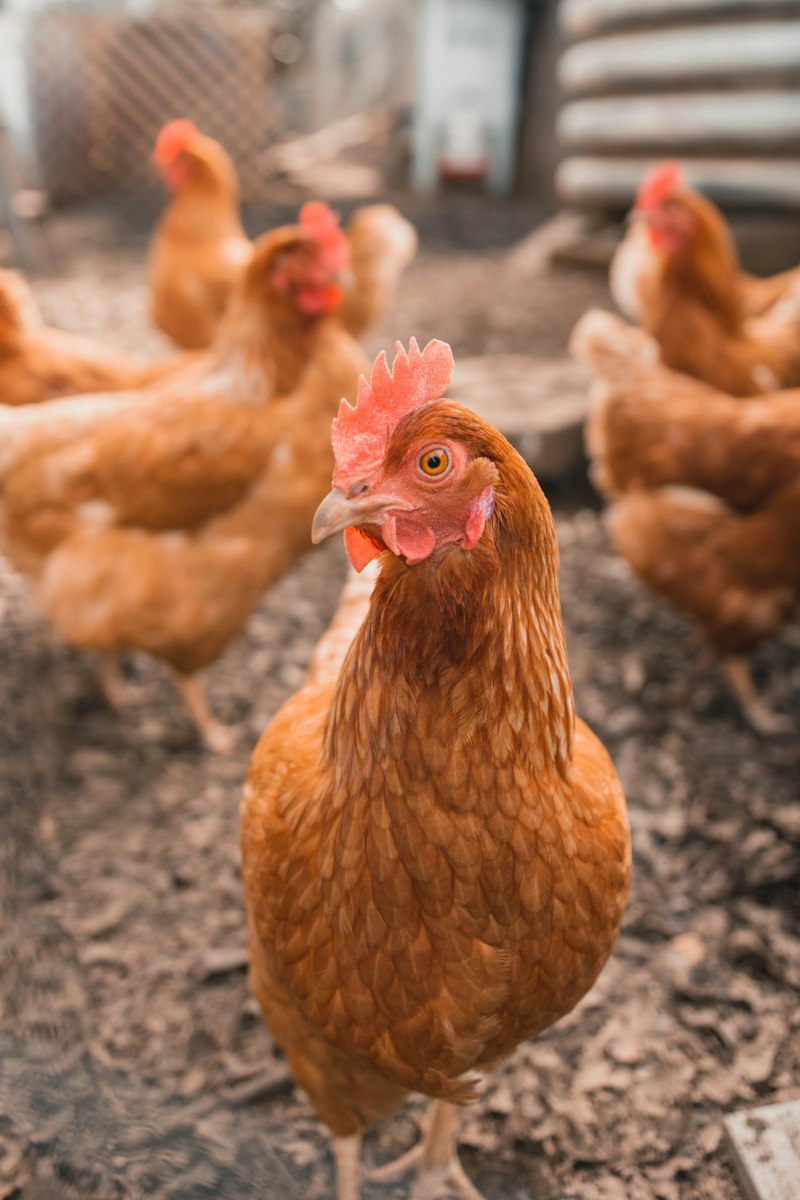
Not all chicken breeds are equally suited to backyard keeping. Rhode Island Reds, Plymouth Rocks, and Orpingtons are hardy, friendly, and reliable layers that tolerate a range of climates. Sussex and Australorps offer gentle temperaments ideal for families with children. Silkies are exceptionally docile and make wonderful pets, though they lay fewer eggs. Consider your climate when choosing: heavily feathered breeds suffer in heat, while light breeds with large combs are vulnerable to frostbite.
Coop Design and Requirements
A secure coop protects your flock from predators and weather while providing comfortable roosting and nesting space. Allow four square feet of interior coop space per bird and ten square feet of outdoor run space per bird at minimum. Roosting bars should be placed higher than nesting boxes, as chickens instinctively seek the highest available perch for sleeping. Provide one nesting box for every three to four hens. Ventilation is crucial for respiratory health but should not create drafts on roosting birds.
Predator Protection
Predator-proofing is the most critical aspect of coop construction. Raccoons, foxes, hawks, dogs, and weasels all prey on backyard chickens. Use hardware cloth rather than chicken wire, which predators can tear through. Bury wire at least twelve inches underground to prevent digging predators. Secure all openings with latches that raccoons cannot manipulate. Close the coop door every evening without exception. Consider motion-activated lights or alarms for additional deterrence during the night.
Feeding Your Flock
Commercial layer feed provides complete nutrition for adult laying hens, typically offered free-choice in a hanging feeder. Supplement with oyster shell in a separate dish for calcium to support egg production. Grit aids digestion for chickens eating anything beyond commercial feed. Kitchen scraps make excellent treats: vegetables, fruits, cooked grains, and mealworms are favorites. Avoid feeding raw beans, avocado, chocolate, citrus peels, or heavily salted foods. Fresh, clean water must be available at all times.
The Egg-Laying Cycle
Most hens begin laying around five to six months of age, producing approximately one egg every 25 to 27 hours during peak production. Laying slows during winter when daylight hours decrease below fourteen hours daily. Some keepers add supplemental lighting to maintain production, while others allow their hens a natural seasonal rest. Production naturally declines each year as hens age, though healthy chickens continue laying throughout their lives at reduced rates.
Health Maintenance and Common Issues
Healthy chickens are active, bright-eyed, and maintain glossy plumage. Regularly inspect your flock for signs of illness including lethargy, ruffled feathers, discharge from eyes or nostrils, and changes in droppings. External parasites like mites and lice cause feather loss and irritation, treated with appropriate poultry dust or spray. Respiratory infections spread quickly in flocks and require prompt attention. Establish a relationship with an avian veterinarian before emergencies arise.
Integrating New Birds
Adding new chickens to an established flock requires careful management. Quarantine new birds for thirty days to prevent disease introduction. After quarantine, house new and existing birds where they can see but not touch each other for one to two weeks. When combining, do so in the evening when birds are calm. Provide multiple feeding and watering stations to prevent resource guarding. Some pecking order establishment is normal, but intervene if serious injury occurs.
Seasonal Care Considerations
Summer care focuses on preventing heat stress through shade, ventilation, and cold water. Frozen treats and misting systems help on extremely hot days. Winter care involves ensuring water does not freeze, providing windbreaks without eliminating ventilation, and monitoring for frostbitten combs. Deep litter composting methods in the coop generate gentle warmth while managing waste. Adjusting nutrition slightly by season supports your flock through temperature extremes.
The Social Nature of Chickens
Chickens are highly social animals that should never be kept alone. A minimum of three birds provides adequate social interaction and distributes pecking order dynamics. Chickens form complex social hierarchies, recognize individual flock members, and communicate through a variety of vocalizations with specific meanings. Many backyard keepers are surprised by the individual personalities their chickens display, from bold and curious to shy and gentle, making each bird a unique companion.
Beyond Eggs: Chickens as Garden Partners
Chickens provide benefits beyond egg production. Their scratching behavior aerates soil and incorporates organic matter. Chicken manure is excellent fertilizer when composted properly. They consume enormous quantities of insects, slugs, and weed seeds. Rotational grazing through garden beds between growing seasons provides natural soil amendment. However, protect active gardens, as chickens will enthusiastically destroy crops given access.
Backyard chicken keeping combines practical benefits with genuine companionship in a hobby that connects you to traditional food production. Start small, learn continuously, and enjoy the unique rewards that come from caring for these charming, productive birds.