How Dogs Show Love: Reading Canine Affection
# How Dogs Show Love: Reading Canine Affection
Dogs love us deeply, but they express this affection through behaviors we don't always recognize. Understanding how your dog shows love strengthens your bond and helps you appreciate the depth of the relationship.
The Look of Love
Prolonged, soft eye contact between you and your dog releases oxytocin in both of you — the same bonding hormone released between human parents and infants. This mutual gaze creates measurable neurochemical bonds.
Watch for the "soft eyes" look. Relaxed brows, slightly squinted eyes, and a calm expression indicate affection. This differs from the hard stare of a stressed or aroused dog.
The Physical Affection
Leaning against you is one of the clearest signs of dog affection. Dogs press their bodies against those they trust and love. This physical closeness releases calming chemicals and reinforces bonds.
Following you from room to room isn't just clinginess — it's a sign of deep attachment. Dogs consider their humans part of their pack and want to maintain proximity. This is especially evident in bonded dogs whose humans are their whole world.
Bringing you toys or items isn't just play — it's often an expression of trust and sharing. Dogs share resources with those they consider family. Chew toys presented to you are like little love offerings.
Communication Signs
Tail wagging communicates emotion, but the type of wag matters. A relaxed, sweeping wag with a slightly lowered body posture signals happy affection. High, stiff wagging can indicate excitement or alertness, not necessarily affection.
Ear positions communicate feelings toward you. Relaxed ears held slightly back or forward without tension indicate contentment. Flattened ears out of context could indicate submission — often a trust-based affection signal.
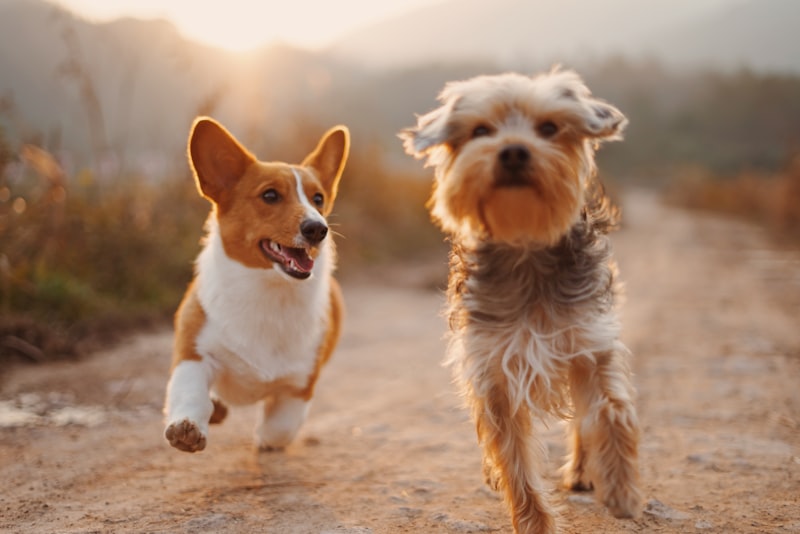
Some dogs "smile" with their mouths open, tongues slightly out, and relaxed facial muscles. This calm, happy expression often appears during affectionate interactions.
Sleep and Trust
Dogs are vulnerable when they sleep. Choosing to sleep near you — or best of all, on you — demonstrates ultimate trust. Even light sleeping in your presence shows they consider you safe.
Belly-up sleeping requires complete trust in the environment. Dogs exposing their vulnerable belly signal they feel entirely secure with you. Not all dogs will sleep this way regardless of affection level, but those who do are showing significant trust.
Vocal Affection
Some dogs vocalize with soft whines or moans when reunited with owners. These sounds resemble the sounds mothers make with puppies — clear affection signals. Deeper "conversational" sounds during interaction indicate engagement.
Excited greetings with joyful barking demonstrate happiness at your presence. Some dogs develop "arguing" or complaining sounds when they want attention — even these represent affection through desire for connection.
Physical Expressions
Licking is complex canine communication. Face licking often stems from affection — puppies lick mother dogs' faces to trigger regurgitation of food. Adult dogs retain this behavior as affection toward humans they love.
Nose bumps and gentle nudges are affectionate touches. Dogs may press their noses to your hand, face, or leg to show connection. These subtle gestures often precede more obvious affection like snuggling.
Some dogs paw at you gently to request attention or connection. This differs from demanding pawing — soft, gentle touches communicate love rather than demands.
Play Behaviors as Affection
Play bows — front end down, back end up, tail wagging — invite interaction and demonstrate joy in your company. Dogs play with those they trust and love. Roughhousing with humans indicates comfort and connection.
Bringing favorite toys, doing tricks unprompted, or performing amusing behaviors often reflects a dog's desire to please and connect with beloved humans.
Recognizing Species Differences
Dogs express love differently than cats or other pets. Wagging tails, licking, and physical closeness are canine-specific expressions. Learning your particular dog's communication style takes time and observation.
Individual dogs also vary in expression styles. Some are demonstrative — jumping, licking, and constantly seeking contact. Others are more subtle, expressing love through quiet presence and gentle interactions.
Building Deeper Bonds
Reciprocating affection strengthens bonds. Return eye contact, engage in play, provide physical affection, and spend quality time together. Dogs thrive on interactive engagement rather than passive coexistence.
Positive training sessions build bonds while teaching. The cooperative work of learning together creates deep connections. Even simple daily training keeps your relationship dynamic and engaged.
When Affection Changes
Sudden decreases in affectionate behavior can signal health or emotional issues. Dogs in pain often withdraw. Anxiety may cause clingy behavior that isn't really affection but rather need for reassurance.
Changes in relationship dynamics — new family members, moves, or trauma — affect how dogs express affection. Rebuilding trust and connection after disruptions takes patience and consistency.
The Depth of Canine Love
Scientific research increasingly confirms what dog owners have always known — dogs love us deeply. Brain scans show dogs process pictures of their humans similarly to how humans process pictures of loved ones.
The dog-human bond has evolved over tens of thousands of years. This unique interspecies relationship enriches both of our lives in profound ways.
Your dog loves you in their own way, expressing devotion through countless daily behaviors. Recognizing and appreciating these expressions deepens the connection you share and honors the special bond between humans and dogs.