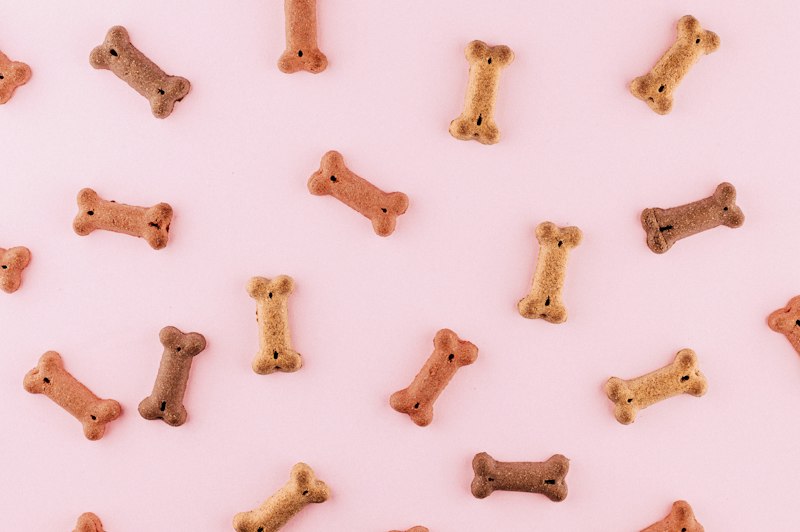
Homemade Dog Treats: Healthy Recipes Your Pup Will Love
# Homemade Dog Treats: Healthy Recipes Your Pup Will Love
Commercial dog treats often contain fillers, artificial preservatives, and questionable ingredients that provide little nutritional value. Making treats at home gives you complete control over what goes into your dog's body while saving money and providing a fun activity. These recipes use simple, wholesome ingredients that most kitchens already have on hand, and they can be customized for dogs with allergies or dietary restrictions.
Benefits of Homemade Treats
When you make treats at home, you eliminate artificial colors, flavors, and preservatives that have no place in your dog's diet. You can accommodate food sensitivities by choosing specific proteins and avoiding allergens. Homemade treats cost a fraction of premium commercial options. You control calorie content, making it easy to keep treats appropriately sized for training without contributing to weight gain. Plus, the process of baking for your dog is genuinely enjoyable and strengthens your bond.
Understanding Safe Ingredients
Before baking, know which human foods are safe for dogs. Peanut butter without xylitol, pumpkin puree, sweet potato, banana, oats, eggs, plain yogurt, and lean meats are all excellent treat ingredients. Always verify that peanut butter does not contain xylitol, an artificial sweetener that is extremely toxic to dogs. Avoid grapes, raisins, chocolate, onions, garlic, macadamia nuts, and anything containing xylitol. When in doubt about an ingredient, research its safety or leave it out.
Peanut Butter Pumpkin Biscuits
Combine two cups of whole wheat flour, half a cup of pure pumpkin puree, two eggs, and two tablespoons of natural peanut butter. Mix until a stiff dough forms, adding a splash of water if too dry. Roll out to quarter-inch thickness on a floured surface and cut into shapes with cookie cutters. Bake at 350 degrees Fahrenheit for 25 to 30 minutes until golden and firm. Allow to cool completely before serving. Store in an airtight container for up to two weeks or freeze for up to three months.
Frozen Banana Yogurt Bites
These simple treats are perfect for hot summer days. Blend two ripe bananas with one cup of plain, unsweetened yogurt until smooth. Pour into silicone molds or ice cube trays. Freeze for at least four hours until solid. Pop out and store in freezer bags. For variety, add a tablespoon of peanut butter or a handful of blueberries to the mixture before freezing. These provide cooling relief while offering probiotics from the yogurt and potassium from the bananas.
Sweet Potato Chews
Preheat your oven to 250 degrees Fahrenheit. Wash sweet potatoes thoroughly and slice lengthwise into quarter-inch thick strips. Arrange in a single layer on parchment-lined baking sheets. Bake for three hours, flipping halfway through, until dried and chewy but not brittle. The low and slow method creates a natural, single-ingredient chew that dogs love. These are excellent for dogs who need low-fat treat options. Store in the refrigerator for up to two weeks.
Chicken and Rice Training Treats
For small, high-value training treats, combine one cup of cooked shredded chicken, one cup of cooked rice, and one egg in a food processor. Pulse until a paste forms. Spread the mixture thinly on a parchment-lined baking sheet, about one-eighth inch thick. Score into small squares with a knife. Bake at 325 degrees Fahrenheit for 20 minutes until firm and dry. Break along the score lines into tiny training-sized pieces. These protein-rich treats are highly motivating for training sessions.
Oat and Apple Cookies
Combine two cups of rolled oats, one grated apple with skin removed, one egg, and a quarter cup of water. Mix thoroughly and let the oats absorb moisture for ten minutes. Drop small spoonfuls onto a parchment-lined baking sheet, flattening slightly. Bake at 350 degrees Fahrenheit for 20 to 25 minutes until golden. These fiber-rich cookies are gentle on sensitive stomachs. For added nutrition, stir in a tablespoon of ground flaxseed before baking.
Meat-Based Jerky Treats
Slice lean chicken breast, turkey, or beef into thin strips about one-eighth inch thick. Partially freezing the meat makes slicing easier. Arrange strips on oven racks or dehydrator trays without overlapping. Dehydrate at 160 degrees Fahrenheit for four to six hours until completely dried and slightly brittle. Alternatively, bake on the lowest oven setting with the door slightly ajar for six to eight hours. Homemade jerky contains no added salt, sugar, or preservatives found in commercial varieties. Refrigerate and use within two weeks.
Treats for Dogs with Allergies
Dogs with food allergies can still enjoy homemade treats using novel proteins and alternative flours. Replace wheat flour with coconut flour, rice flour, or oat flour for grain-sensitive dogs. Use novel proteins like duck, venison, or rabbit for dogs with common protein allergies. A simple recipe combines one cup of alternative flour, half a cup of pureed safe vegetable, one egg, and two tablespoons of coconut oil. Adjust liquid as needed for a rollable dough, then cut and bake at 350 degrees for 20 minutes.
Portion Control and Storage
Even healthy treats add calories. Treats should comprise no more than ten percent of your dog's daily caloric intake. Make treats small, especially for training purposes where quantity of rewards matters more than size. Store baked treats in airtight containers at room temperature for up to two weeks. Refrigeration extends shelf life to three to four weeks. Freezing works for most recipes and extends usability to three months. Always label containers with the recipe name and date made.
Safety Reminders
Always introduce new treats gradually to monitor for digestive upset or allergic reactions. Start with a small piece and wait 24 hours before offering more. Ensure all ingredients are fully cooked or baked to appropriate temperatures. Avoid recipes that call for raw flour, as it can harbor harmful bacteria. Supervise your dog with any new treat, especially chews that could present choking hazards. Consult your veterinarian before adding homemade treats if your dog is on a therapeutic diet.
Making treats at home is one of the simplest ways to show your dog love while supporting their health. Start with one recipe, perfect it, and gradually expand your repertoire. Your dog will appreciate every batch, and you will enjoy the satisfaction of knowing exactly what fuels their happy, tail-wagging life.