Essential Grooming Tools Every Dog Owner Needs
# Essential Grooming Tools Every Dog Owner Needs
Regular grooming is about more than keeping your dog looking good. It maintains skin health, prevents matting, allows early detection of health issues, and strengthens the bond between you and your pet. Having the right tools makes the process easier and more comfortable for both of you. This guide covers everything you need to build a comprehensive grooming toolkit tailored to your dog's specific needs.
Understanding Your Dog's Coat Type
Before investing in grooming tools, identify your dog's coat type. Smooth coats like those on Beagles or Boxers need minimal maintenance. Double coats found on Huskies and Golden Retrievers require regular undercoat removal. Wire coats on terriers need specialized stripping tools. Curly coats on Poodles and Doodles demand frequent brushing to prevent matting. Long, silky coats like those on Yorkshire Terriers require daily attention. Each coat type has specific tool requirements.
Brushes and Combs
A slicker brush is the most versatile grooming tool and works for most coat types. Its fine wire bristles effectively remove loose fur and minor tangles. For double-coated breeds, an undercoat rake reaches deep beneath the topcoat to remove dead undercoat without damaging the outer layer. A bristle brush adds shine to smooth coats. Greyhound-style metal combs with both wide and narrow teeth detect tangles that brushes miss. Pin brushes work well for longer coats, gently detangling without pulling.
De-Shedding Tools
During seasonal shedding, standard brushes may not keep up. De-shedding tools like the Furminator reach into the undercoat to remove loose fur before it ends up on your furniture. Use these tools gently and sparingly, as overuse can damage the coat. Rubber curry brushes work wonderfully on short-coated breeds, loosening dead hair while massaging the skin. De-shedding gloves offer a less intensive option for dogs who are sensitive to traditional tools.
Nail Care Equipment
Overgrown nails cause discomfort, alter gait, and can lead to joint problems. Guillotine-style clippers work well for small to medium dogs, while plier-style clippers provide more leverage for large breeds with thick nails. A nail grinder or Dremel tool offers precise control and smooth edges without the risk of splitting. Styptic powder is essential to have on hand in case you cut too short and hit the quick. For anxious dogs, scratch boards provide an alternative way to maintain nail length through natural filing.
Bathing Supplies
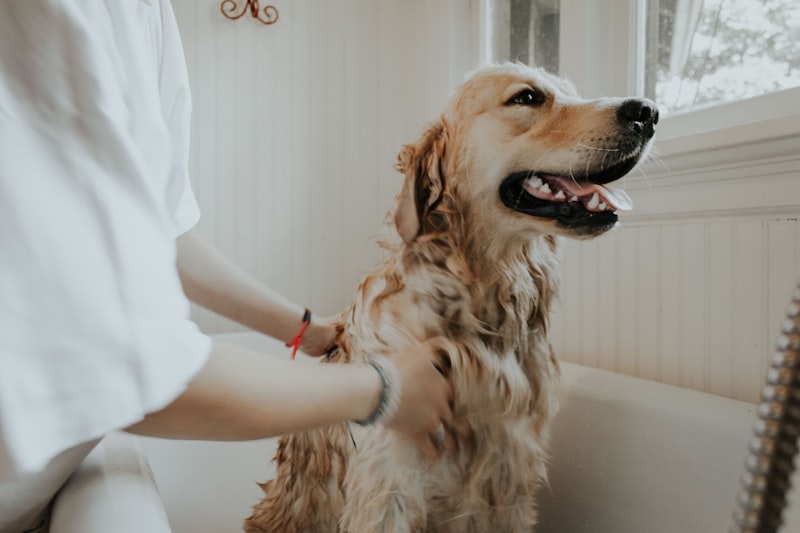
Quality shampoo makes a significant difference in coat health. Choose formulas specific to your dog's needs: moisturizing for dry skin, medicated for skin conditions, or brightening for white coats. A rubber bath brush helps work shampoo to the skin while loosening dead fur. A detachable shower head or hose attachment makes rinsing thorough and efficient. Absorbent microfiber towels dry faster than cotton, and a high-velocity dryer speeds up the drying process for thick-coated breeds.
Clippers and Scissors
For owners who want to maintain their dog's coat between professional grooming appointments, a quality clipper set is invaluable. Look for clippers with adjustable speeds, multiple blade lengths, and low noise levels. Cordless models offer flexibility and reduce the risk of your dog becoming tangled. Thinning shears blend clipper lines for a natural look. Curved scissors are ideal for rounding paws and trimming around the face. Ball-tipped scissors prevent accidental pokes around sensitive areas.
Ear and Eye Care Tools
Regular ear cleaning prevents infections, especially in floppy-eared breeds. Veterinarian-approved ear cleaning solution and cotton balls are the primary tools needed. Never insert cotton swabs into the ear canal. Ear powder helps grip hair for easy removal in breeds requiring ear plucking. For eye care, a fine-toothed flea comb removes tear stains and debris from the corners of the eyes. Specific tear stain removers help manage discoloration on light-colored faces.
Dental Hygiene Tools
Dental disease affects most dogs over age three, making oral care an essential part of grooming. Dog-specific toothbrushes come in finger-brush and traditional styles. Enzymatic toothpastes formulated for dogs do not require rinsing and come in appealing flavors. Dental wipes provide a simpler alternative for dogs who resist brushing. Water additives offer passive dental support, while dental chews and toys provide mechanical cleaning through chewing action.
Mat and Tangle Management
For dogs prone to matting, specialized tools save time and reduce discomfort. A dematting comb features sharp blades that cut through mats without pulling the skin. Detangling sprays add slip to the coat, making brushing easier and less painful. A mat splitter cuts large mats into smaller, more manageable sections. For severe matting, sometimes the kindest option is to clip the mat away entirely rather than causing prolonged discomfort through detangling.
Creating a Grooming Routine
Establishing a regular grooming schedule prevents problems from developing. Daily brushing is ideal for long-coated breeds, while short-coated dogs may only need weekly sessions. Nails typically need trimming every two to four weeks. Baths every four to eight weeks keep most dogs clean without stripping natural oils. Start grooming routines early in your dog's life, using treats and positive associations to build comfort with handling and tools.
Storage and Maintenance
Keep your grooming tools clean and organized for longevity and hygiene. Remove hair from brushes after each use. Oil clipper blades regularly and replace them when they become dull. Store tools in a dedicated caddy or bag that keeps everything accessible. Sharp scissors should be stored in protective sheaths. Replace worn tools promptly, as dull blades pull hair painfully and damaged brushes can scratch skin.
Investing in quality grooming tools saves money on professional grooming while keeping your dog comfortable, healthy, and looking their best between any salon visits you do schedule.