Bird Training 101: Teaching Your Parrot to Step Up and More
# Bird Training 101: Teaching Your Parrot to Step Up and More
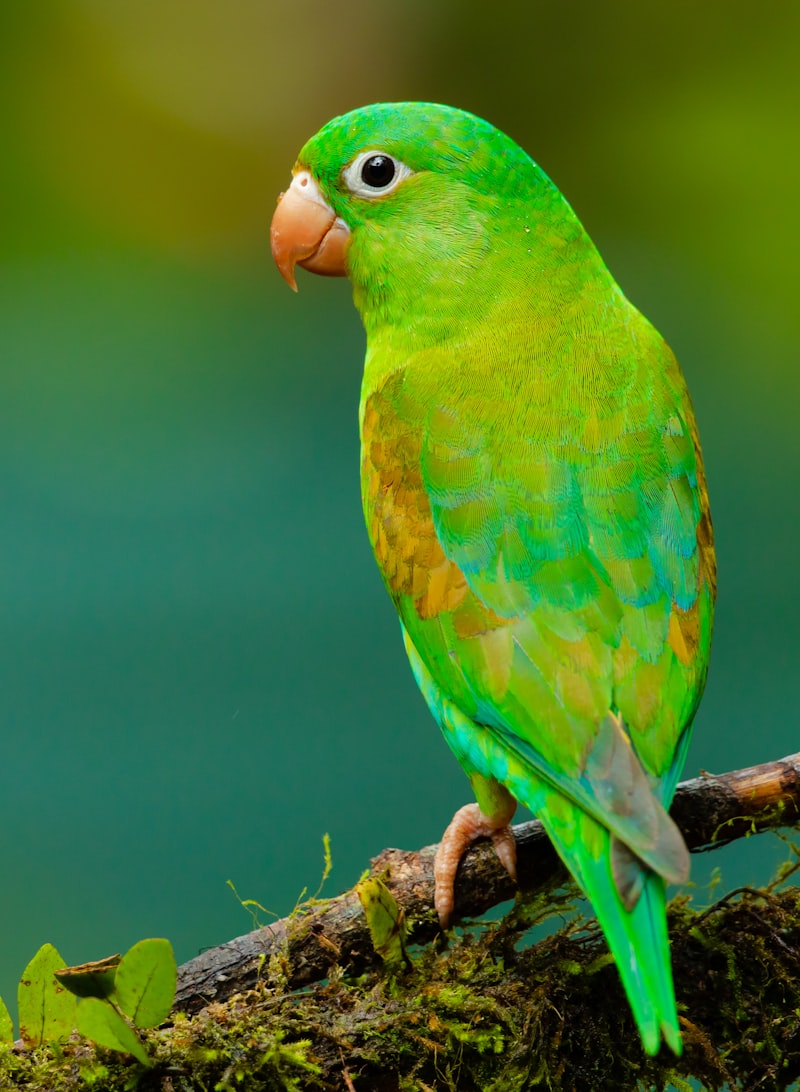
Training your parrot is about far more than performing tricks. It builds trust, provides mental stimulation, and creates a cooperative relationship that makes daily care easier and more enjoyable. Whether you have a budgie or a macaw, the principles of positive reinforcement training apply universally and can transform your relationship with your feathered companion.
Understanding Parrot Psychology
Parrots are highly intelligent, social creatures that thrive on interaction and mental challenges. In the wild, they spend hours foraging, problem-solving, and communicating with flock members. In captivity, training fills these natural needs. Understanding that parrots are prey animals helps explain their caution around new things and their need to feel safe before cooperating. Patience and respect for their comfort level are fundamental to successful training.
The Foundation of Positive Reinforcement
Positive reinforcement means rewarding desired behaviors to increase their frequency. For parrots, rewards can include favorite treats, verbal praise, head scratches, or access to a favorite toy. The key is identifying what motivates your individual bird. Some parrots are highly food-motivated, while others prefer social interaction. Never use punishment, as it destroys trust and can create fear-based aggression. If your bird does something undesirable, simply withhold the reward and redirect.
Finding the Right Treats
Training treats should be small, quick to consume, and highly valued by your bird. Sunflower seeds, small pieces of nuts, or bits of dried fruit work well for most species. Reserve these special treats exclusively for training sessions so they maintain their motivational value. If your bird is on a seed diet, consider transitioning to pellets for regular meals so seeds become a special reward. Always ensure treats are safe for your specific species.
Teaching the Step Up Command
Step up is the most important behavior to teach any parrot, as it facilitates handling, cage transitions, and emergency situations. Start by building comfort with your hand near the bird. Offer treats through cage bars, then with the door open. Once your bird is comfortable eating from your hand, present your finger or hand at belly level and say "step up" clearly. Gently press against the lower chest to encourage stepping onto your hand. Reward immediately with a treat and praise.
Building Training Sessions
Keep training sessions short, typically five to ten minutes, and always end on a positive note. Multiple short sessions throughout the day are more effective than one long session. Train when your bird is alert and slightly hungry, not when they are tired or have just eaten. Watch for signs of frustration or disinterest, such as feather fluffing, turning away, or biting, and end the session before these escalate.
Target Training
Target training teaches your bird to touch a specific object, usually a chopstick or small stick, with their beak. This simple behavior becomes a powerful tool for guiding your bird to different locations without physical handling. Present the target near your bird and reward any contact with it. Gradually increase the distance your bird must travel to touch the target. Target training can later be used to teach recall, guide birds onto scales for weighing, and reduce fear of new objects.
Reducing Fear and Building Confidence
Many parrots are neophobic, meaning they fear new objects or changes in their environment. Training helps build confidence by teaching birds that new experiences can result in positive outcomes. Introduce novel items gradually, rewarding calm investigation. If your bird shows fear, increase distance from the object and work at a pace that keeps the bird comfortable. Never force interactions with frightening items, as this reinforces anxiety rather than resolving it.
Teaching Recall and Flight Training
For flighted birds, recall training is both a safety measure and wonderful enrichment. Start in a small, enclosed space with minimal distractions. Use a target or treat to encourage short flights between perches or between a perch and your hand. Gradually increase distance as your bird gains confidence. Always make coming to you the most rewarding option available. Recall training takes weeks to months of consistent practice but can be lifesaving if your bird accidentally escapes.
Common Training Mistakes
The most common mistake is moving too fast. Each bird learns at their own pace, and rushing creates frustration for both parties. Inconsistency confuses birds, so use the same cues and rewards every time. Avoid training when you are frustrated or impatient, as birds are highly sensitive to body language and emotional states. Do not inadvertently reward undesirable behaviors like screaming by giving attention when your bird is noisy. Instead, wait for quiet moments to interact.
Advanced Behaviors and Enrichment
Once your bird masters basic behaviors, the possibilities are endless. Wave, turn around, retrieve objects, and even simple puzzles can all be taught through shaping, which means rewarding successive approximations of the final behavior. Training provides essential mental stimulation that prevents boredom-related problems like feather plucking and excessive screaming. It also allows you to train cooperative care behaviors like allowing nail trims or wing inspections without restraint.
Training is a journey that deepens the bond between you and your parrot. Approach each session with patience, creativity, and respect for your bird as an intelligent individual, and you will be rewarded with a trusting, engaged companion.