The Best Small Pets for Apartment Living
# The Best Small Pets for Apartment Living
Apartment living presents unique challenges for pet ownership, but plenty of wonderful pets thrive in smaller spaces. Choosing the right pet for your lifestyle and space ensures happy pets and happy neighbors.
Cats: The Classic Apartment Pet
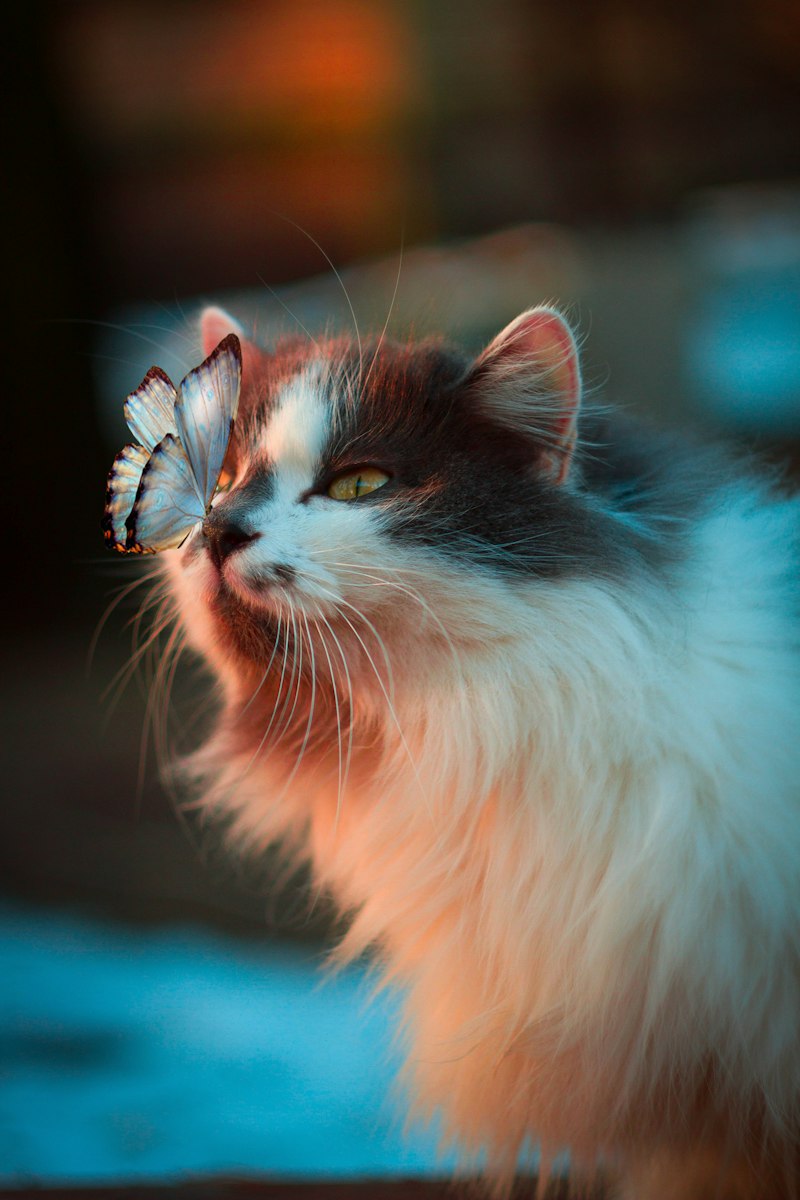
Cats top most lists of ideal apartment pets for good reason. They're generally quiet, don't need outdoor space for exercise, and adapt well to indoor life. Their small size means they fit comfortably in even studio apartments.
Individual cat personalities vary widely. Ragdolls and British Shorthairs tend toward calm, adaptable temperaments. Bengals and Abyssinians have higher energy levels requiring more play and enrichment. Choose a personality matching your lifestyle.
Provide vertical space with cat trees and shelving. Cats appreciate perching options that give them territory beyond floor space. Multiple scratching posts protect furniture and provide exercise.
Small Dogs Well-Suited to Apartments
Not all dogs need yards. Many small breeds thrive in apartments when their exercise and mental stimulation needs are met. Cavalier King Charles Spaniels, French Bulldogs, and Bichon Frises are known for adaptable, calm indoor personalities.
Surprisingly, some larger breeds like Greyhounds and Great Danes actually adapt well to apartment living. These breeds are typically calm indoors despite their size. Daily walks and occasional runs at parks meet their exercise needs.
Avoid breeds known for excessive barking or high energy that can't be managed in an apartment. Beagles, Jack Russell Terriers, and Siberian Huskies often struggle in apartment settings without dedicated exercise regimens.
Rabbits: Quiet and Loving
Rabbits make excellent apartment pets. They can be litter box trained, are generally quiet, and form strong bonds with their humans. A pair of rabbits keeps each other company when you're at work.
Rabbits need daily out-of-cage time in a rabbit-proofed area. They chew wires and baseboards, so precautions are necessary. Free-range or "house rabbit" living works well in appropriate apartments.
Provide a large enclosure — bigger than most pet stores sell as rabbit cages. Ex-pens configured to size work well. Fresh hay, vegetables, and clean water require daily attention. Rabbits live 8-12 years, so this is a long-term commitment.
Guinea Pigs: Social and Charming
Guinea pigs are social herd animals that must be kept in pairs or groups. Two same-sex guinea pigs make ideal companions. They're generally quiet, though they do vocalize with distinctive squeaks and wheeks.
Guinea pigs need larger enclosures than commonly sold. Minimum 7.5 square feet for two pigs is recommended, with more being better. They benefit from daily out-of-cage time in safe areas.
Their care includes daily fresh vegetables, unlimited hay, and vitamin C supplementation. Guinea pigs need weekly cage cleaning, minimum. Their lifespan of 5-7 years makes them a medium-term commitment.
Birds: Feathered Apartment Companions
Small birds work well in apartments with careful species selection. Budgies (parakeets), cockatiels, and canaries all thrive in apartment settings. They provide interactive companionship in a small footprint.
Consider vocalizations before choosing birds. Cockatiels can be loud when excited or stressed. Canaries sing beautifully but constantly. Budgies chatter but at moderate volumes. Larger parrots aren't apartment-appropriate due to noise levels.
Birds need large cages relative to their size — bigger than commonly sold. Daily out-of-cage time in a safe room is essential for their mental and physical health. Rotating toys prevents boredom.
Fish: Peaceful and Beautiful
Fish provide calming beauty without space requirements or noise. From betta fish in small tanks to elaborate community aquariums, fishkeeping suits many apartment lifestyles.
Betta fish live happily in appropriately-sized tanks — minimum 5 gallons despite what pet stores sometimes suggest. Community fish need larger tanks depending on species. Research required tank size before purchasing.
Freshwater tanks generally require less maintenance than saltwater setups. Weekly partial water changes, filter maintenance, and appropriate feeding create thriving aquariums. The initial setup investment pays off in years of enjoyment.
Reptiles: Low-Maintenance Options
Some reptiles suit apartment life well. Leopard geckos, corn snakes, and crested geckos have manageable space and care requirements. They're quiet, odorless when properly maintained, and generally solitary.
Reptiles need proper heating, lighting, and humidity depending on species. Research thoroughly before acquiring — improper husbandry leads to health problems. Beginner-friendly species make good starter reptiles.
Feeding varies dramatically by species. Insectivores like leopard geckos eat crickets and mealworms — some people find this off-putting. Snakes eat pre-killed rodents, typically weekly or less often.
Small Mammals for Small Spaces
Hamsters, gerbils, mice, and rats all fit well in apartments. Each species has unique needs and personalities. Rats are surprisingly social and intelligent, forming close bonds with owners. They should be kept in pairs.
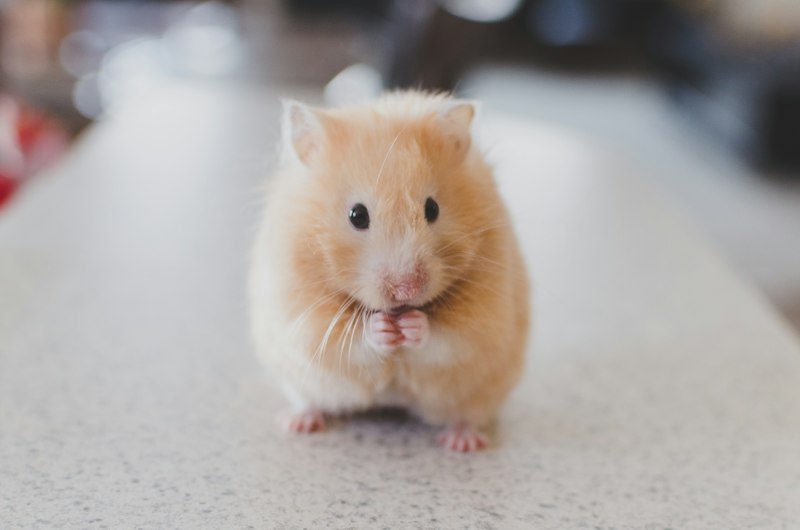
Hamsters are typically solitary and nocturnal. Syrian hamsters must be kept alone as adults. Their nocturnal nature means activity during your sleep hours — silent wheels help preserve peace.
Gerbils are social and diurnal, keeping them awake during human active hours. They dig extensively and need deep bedding for tunneling. Their sand baths keep coats healthy.
Considerations Before Getting Any Pet
Check your lease. Many landlords restrict pets, including small ones. Pet deposits and monthly fees add costs. Some restrictions apply even to fish tanks (weight considerations for large aquariums).
Consider neighbors. Barking dogs, screaming parrots, and other noisy pets create conflicts. Nocturnal pets active at night may disturb neighbors below you.
Evaluate your schedule. Even low-maintenance pets need daily care and attention. Long work hours or frequent travel affects appropriate pet choices.
Making It Work
Whatever pet you choose, provide appropriate space, enrichment, and care. Small pets deserve as much thoughtful preparation as larger ones. The right pet for your apartment brings years of joy and companionship without stress.